Why More Homeowners Trust Screw Piles
Backyard projects are booming. From decks and pergolas to hot tubs and garden sheds, homeowners are investing more than ever in turning their outdoor spaces into true extensions of their homes.
But here’s the trend contractors need to notice instead of defaulting to concrete, more and more homeowners are requesting screw piles, also known as helical piles, as their foundation of choice.
For contractors, this shift isn’t just interesting, it’s an opportunity. Here’s why screw piles (helical piles) are quickly becoming the go-to solution in backyards across North America.
The Problem with Concrete in Backyards
Concrete has been the traditional option for decades, but it comes with drawbacks homeowners notice right away:
- Waiting days for curing before any building can start.
- Messy excavation that tears up lawns and landscaping.
- Weather sensitivity, especially in freeze-thaw cycles.
For contractors, these issues often translate into longer timelines, higher costs, and more callbacks. That’s where helical piles change the game.
Why Screw Piles Are Winning Backyard Projects
Speed Homeowners Notice (and Love)
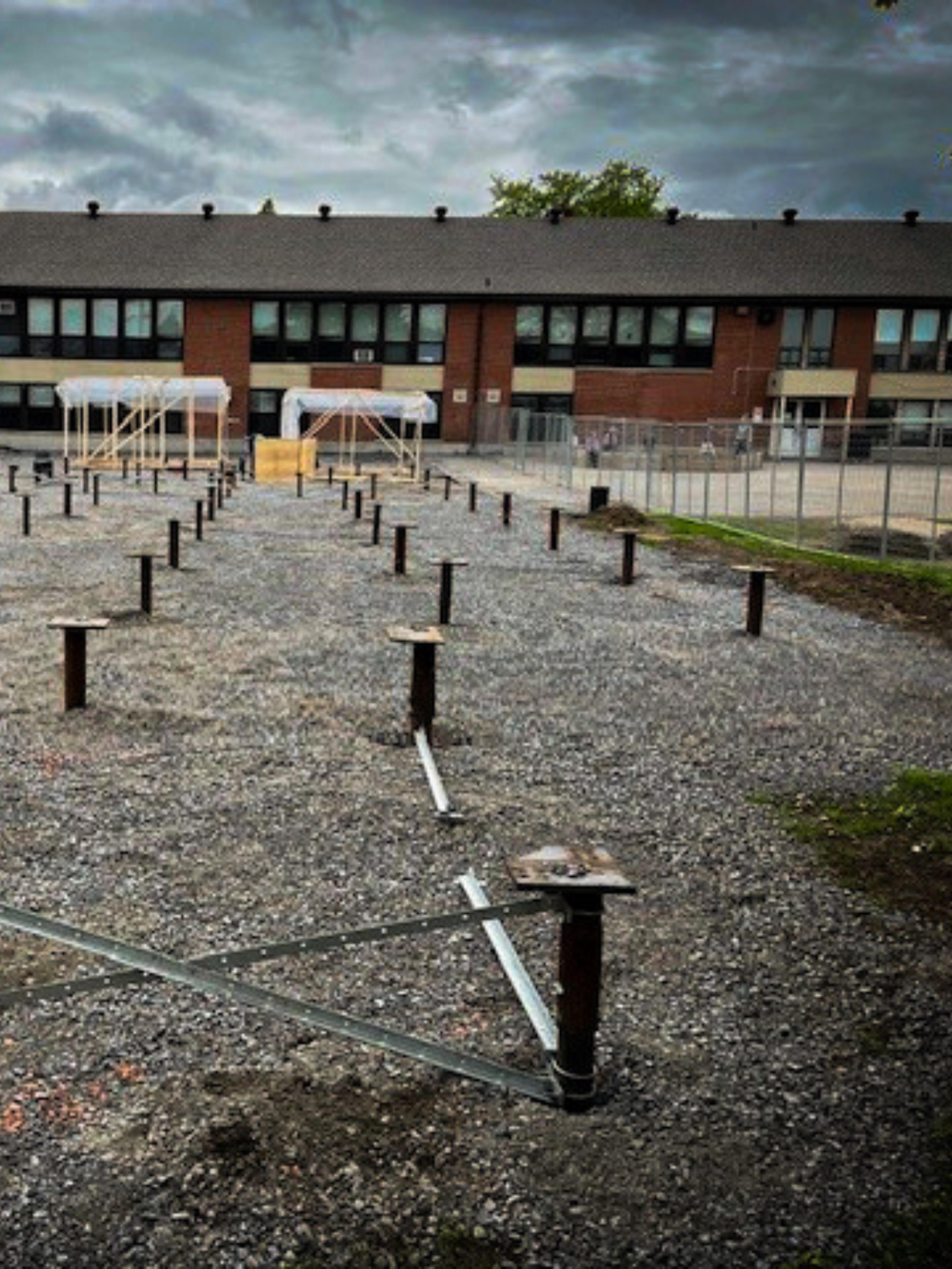
With screw piles, there’s no curing time. Once the piles are installed, building can start immediately. For contractors, that means tighter schedules and faster turnover. For homeowners, it feels almost magical: “The piles went in this morning, and by the afternoon, the frame of our deck was already taking shape.”
Learn more about residential screw pile foundations
Stability That Lasts Through Harsh Winters
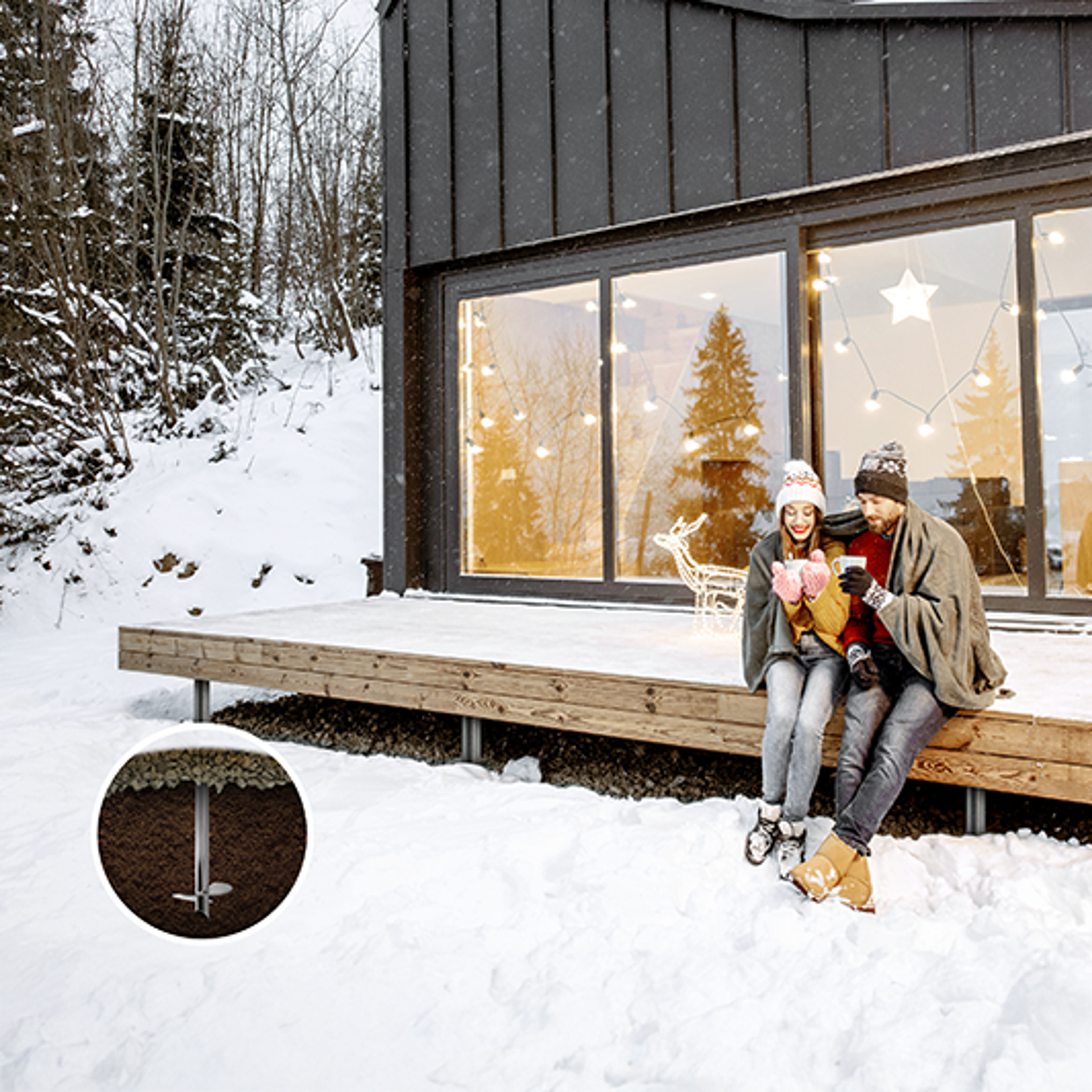
No one wants a new pergola or deck shifting after the first winter. Screw piles provide immediate load-bearing capacity and are engineered to resist movement in clay, sand, loam, and frost. They perform where concrete footings often crack, tilt, or fail.
Cleaner Installs, Less Disruption
Backyards are personal spaces. Heavy machinery and piles of excavated soil frustrate homeowners. Screw piles require minimal equipment, install cleanly, and leave little to no trace. That means happier clients, less landscaping to fix, and more referrals.
The Flexibility Contractors Need
From a simple fence line to a backyard pool house, screw piles adapt to the job. Contractors can use shorter piles for sheds and fencing or engineered piles for heavier loads like hot tubs and gazebos. This flexibility makes them a reliable solution for nearly every backyard build.
Explore how screw piles adapt to residential projects
Backyard Projects That Shine with Screw Piles
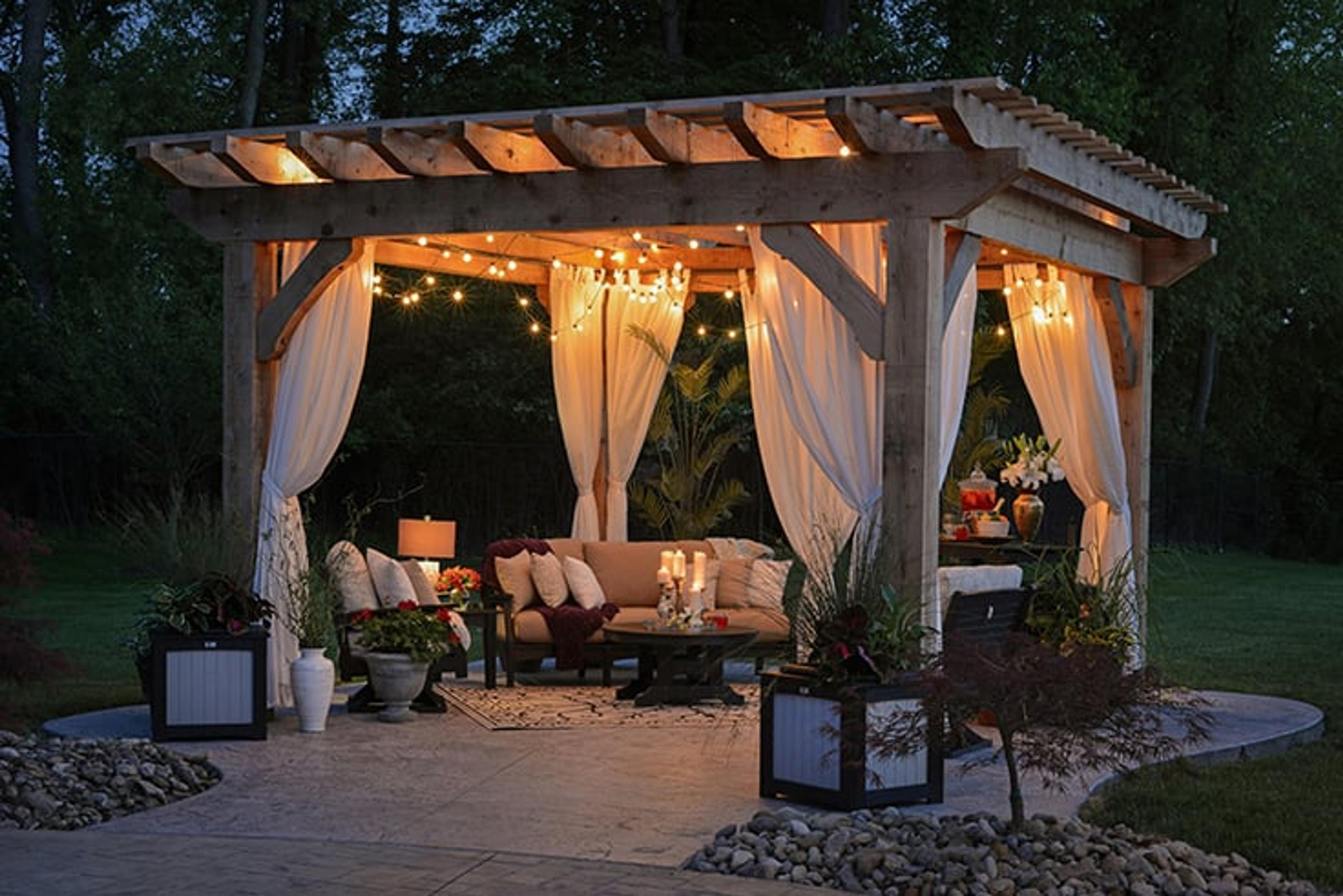
- Decks and Pergolas The #1 backyard project, and one where screw piles truly shine. They keep decks level and pergolas secure, even through harsh winters.
- Hot Tubs and Pool Houses Water and weight demand strong foundations. Screw piles distribute loads evenly and keep leisure projects safe and solid.
- Garden Sheds and Fencing Even smaller projects benefit. Screw piles prevent fences from leaning and sheds from shifting, keeping them sturdy for the long term.
Why This Trend Matters for Contractors
At first glance, screw piles may look like just another foundation option. But in today’s backyard project market, they’ve become a differentiator. Contractors who can explain why screw piles are faster, cleaner, and more reliable position themselves as the experts who deliver efficiency and durability. And here’s the bonus: when homeowners trust you with their backyard, they’re far more likely to call you back for larger projects like garages, extensions, or even commercial work.
FAQs About Backyard Screw (Helical) Piles
Are screw piles better than concrete for decks?
Yes. Screw piles provide immediate load-bearing capacity, so building can start right away. They also resist shifting from frost and soil movement.
How long do screw piles last?
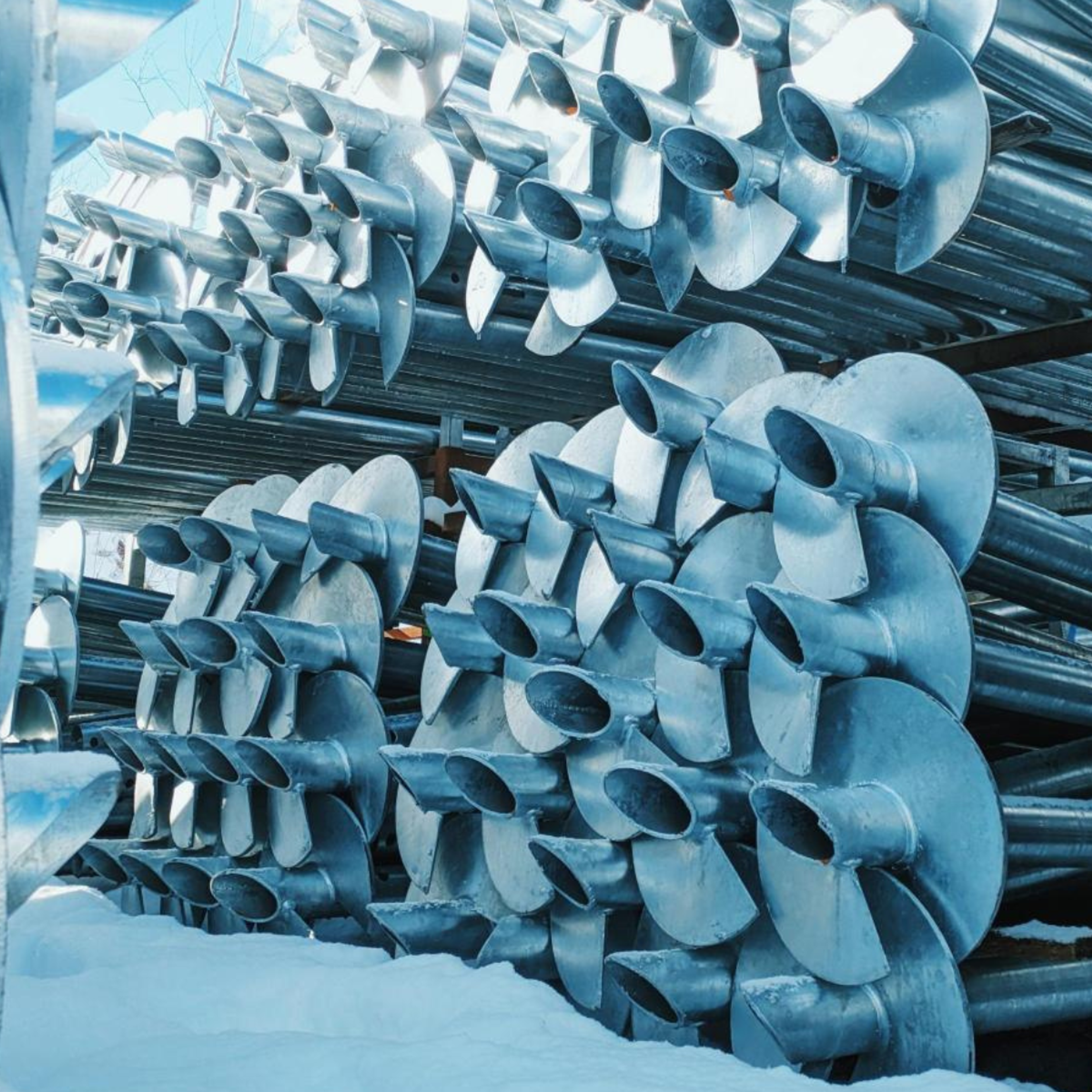
Galvanized screw piles can last decades (often 75+ years) depending on soil conditions. They’re built to handle freeze-thaw cycles and resist corrosion.
Can screw piles be used for sheds or fences?
Absolutely. Shorter piles are perfect for smaller projects and prevent leaning, warping, or shifting over time.
Are screw piles more expensive than concrete?
Not necessarily. While unit cost may be slightly higher, screw piles save on labor, time, and cleanup. The overall project cost often equals or beats concrete.
Do screw piles work in all soil types?
Yes. Screw piles are engineered for clay, sand, loam, and frost conditions. Specialized piles are available for tougher soils.
Final Word: A Smarter Way to Build
The backyard boom isn’t slowing down, and neither is demand for screw piles. They give contractors a faster, cleaner, and more reliable way to deliver projects, while homeowners get the stability and peace of mind they expect.
So whether it’s a pergola, a pool house, or a multi-level deck, remember this: the foundation sets the tone. And these days, more often than not, the foundation is a screw pile.