Redwood and Cedar
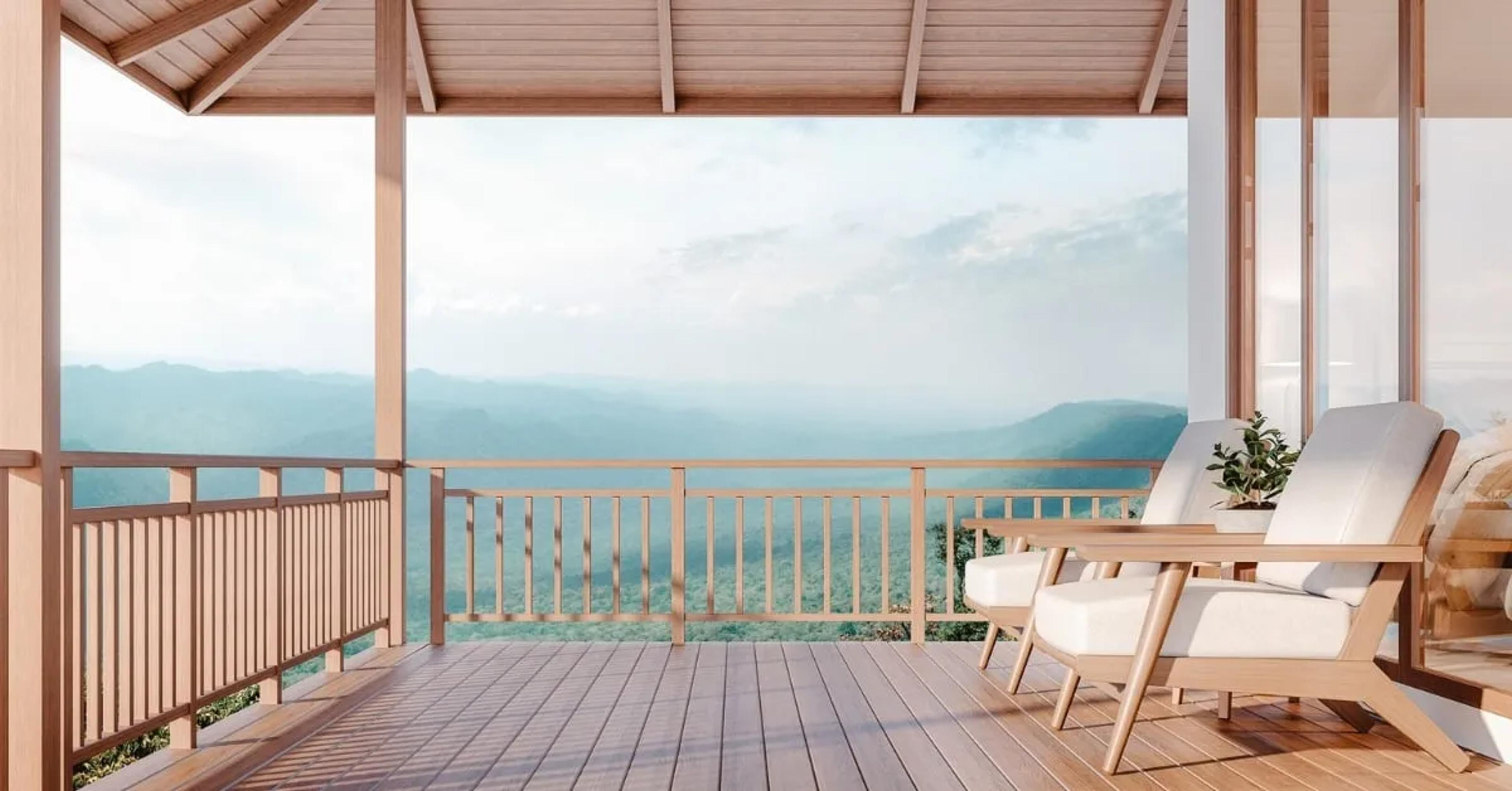
Redwood and cedar are by far the most popular wood-decking options. Both of these western woods are known for their rich colour and natural beauty.
Pros:
- Lightweight yet strong. Both of these woods are some of the lightest and most durable woods.
- Beautiful rich colour. These natural woods have an amazing colour payoff, although they need to be maintained to keep their colour looking vibrant.
- Contain tannins and oils. This attribute makes them naturally resistant to rot and insects, even though this decking option is not the most resistant compared to other materials like the ones listed below.
Cons:
- Not easily available. Since redwood and cedar can be harder to find, they can cost three to five times more than pressure-treated lumber, depending on the grade.
- Requires maintenance. These woods should be power washed and given a new coat finish every three to four years. If you don’t use protectants, the colour of your wood deck will change to a soft grey over time.
Pressure-Treated Lumber
Pressure-treated (PT) decking is the most popular option, being used on almost 75 percent of all new decks. PT lumber is also the most affordable option.
Pros:
- Withstands rot, mold and insects. Since most PT decking is milled from southern yellow pine and then chemically treated, it is able to resist rot, fungi and bugs.
- Low price point. This material is the least expensive type of decking material.
- Easily available. This lumber is easy to source from coast-to-coast.
Cons:
- Not dimensionally stable. One of the big downsides of PT lumber is that when it is exposed to the elements it tends to swell, shrink, crack and warp. It is not unusual that one or more deck boards will need to be replaced after just a year or two, due to severe warping.
- Requires maintenance. This material requires an annual power wash and a fresh coat of protectant stain every two to three years.
Tropical Hardwoods
Tropical hardwood started entering the decking market about 20 years ago. Now, there are several species easily available, such as ipe, cumaru and tigerwood. When buying tropical wood, it is important to make sure with your lumber dealer that the wood comes from a legal and sustainable harvest source.
Pros:
- Very durable. These rich-grained woods are extremely hard and therefore very durable.
- Beautiful colour. There is nothing quite like the look natural wood.
- Resistant to issues like rotting and insects. Tropical hardwoods are naturally resistant to rot and insects. Although just like redwood and cedar, tropical hardwoods are not the most resistant materials on this list.
Cons:
- High price tag. When first introduced to the market, tropical hardwoods were outrageously expensive, although prices have now come down, they still are slightly more expensive than fine-grade redwood or cedar.
- Don’t accept stains or finishes very well. Since tropical hardwood decking is so dense, it doesn’t accept stains very well. If you are determined to stain your deck, make sure that you choose a stain formulated specially for tropical hardwoods.
- Requires maintenance. Even if you choose not to stain this material it is important to apply a UV-blocking clear protectant. Because if left unfinished, it’ll weather, like redwood and cedar, to a soft grey colour.
Aluminum
You have probably never seen an aluminum deck, or even knew they existed but they are convenient in a lot of ways and they are 100 percent recyclable.
Pros:
- Near perfect decking material. Aluminum will not rot, rust, warp or crack. Its powder-coated finish can last forever, and it will never peel or blister.
- Weather and mold resistant. It is extremely resistant; aluminum cannot catch on fire, and wood bugs hate it.
- Light but strong. When compared to other material options, aluminum is three to four times lighter and yet two to three times stronger.
- Cool material. Even though you would think aluminum get sizzling hot in the sun, it actually stays cooler than most types of decking because of its superior heat-dissipation properties.
- Available in a variety of grain finishes and colours. You don’t have to worry; your aluminum deck will not look like high school bleachers! Most aluminum decking comes in a variety of finishes and colours.
Cons:
- Very expensive. This material is by far the most expensive of all, but just like they say—good things don’t come cheap.
- Does not look like hardwood. Even though aluminum decking comes in a variety of finishes and colours, it does not look like hardwood. You have to be willing to sacrifice look for convenience when it comes to this material.
PVC
PVC vinyl contains only one material and that is polyvinyl chloride. This material is 100 percent recyclable and looks very similar to natural wood.
Pros:
- Maintenance-free. You don’t have to stain, paint or apply any special treatments to protect this material. PVC is also easy to clean when necessary.
- Mold and scratch-resistant. Unlike wooden decks which are susceptible to bug attacks and rot, PVC decks give you peace of mind. Also, they don’t scratch easily.
- Flexibility in design options. This material is available in various textures and an almost unlimited colour selection.
- Affordable. PVC is one of the most affordable decking materials along with pressure-treated lumber.
Cons:
- Lack of resilience to harsh weather conditions. On hot summer days, PVC decks can become too hot to walk on in bare feet and can expand enough to make the deck edges no longer even. Also, in colder weather, this material can become brittle and even crack.
- Difficult to repair. Unfortunately, it is not easy to repair a PVC deck. If a section gets damaged, you will have to replace the entire deck.
Composites
Composite decking is one the fastest-growing deck material available today. It is made from a mixture of recycled plastic and wood dust molded into long and dense board.
Pros:
- Durable. Since this material is artificially created, composite decking will not warp or splinter.
- Maintenance-free. Just like PVC decking, composite decks are easy to maintain since they do not have to be treated in a specific way.
- Available in a variety of colours and textures. From a distance, composite decks give off the appearance of natural wood.
Cons:
- Susceptible to moisture. Since composites are made partly of wood, they are subject to moisture and water damage over time.
- Price. While this material is not the priciest material on this list, it is definitely less affordable than standard treated lumber.
- Fading and damages. Darker composite deck colours will fade over time. It is an unavoidable process that happens due to UV rays and weather.
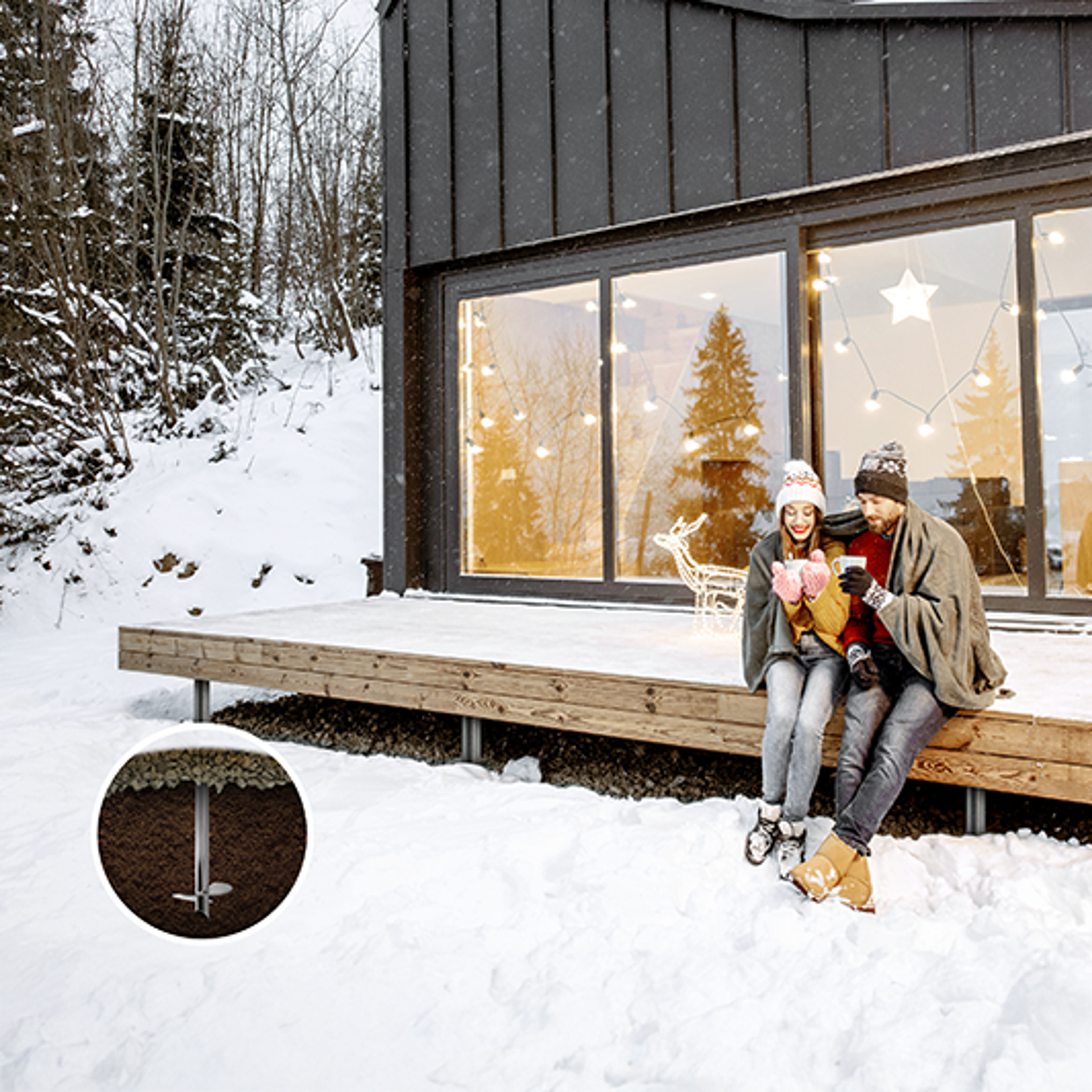
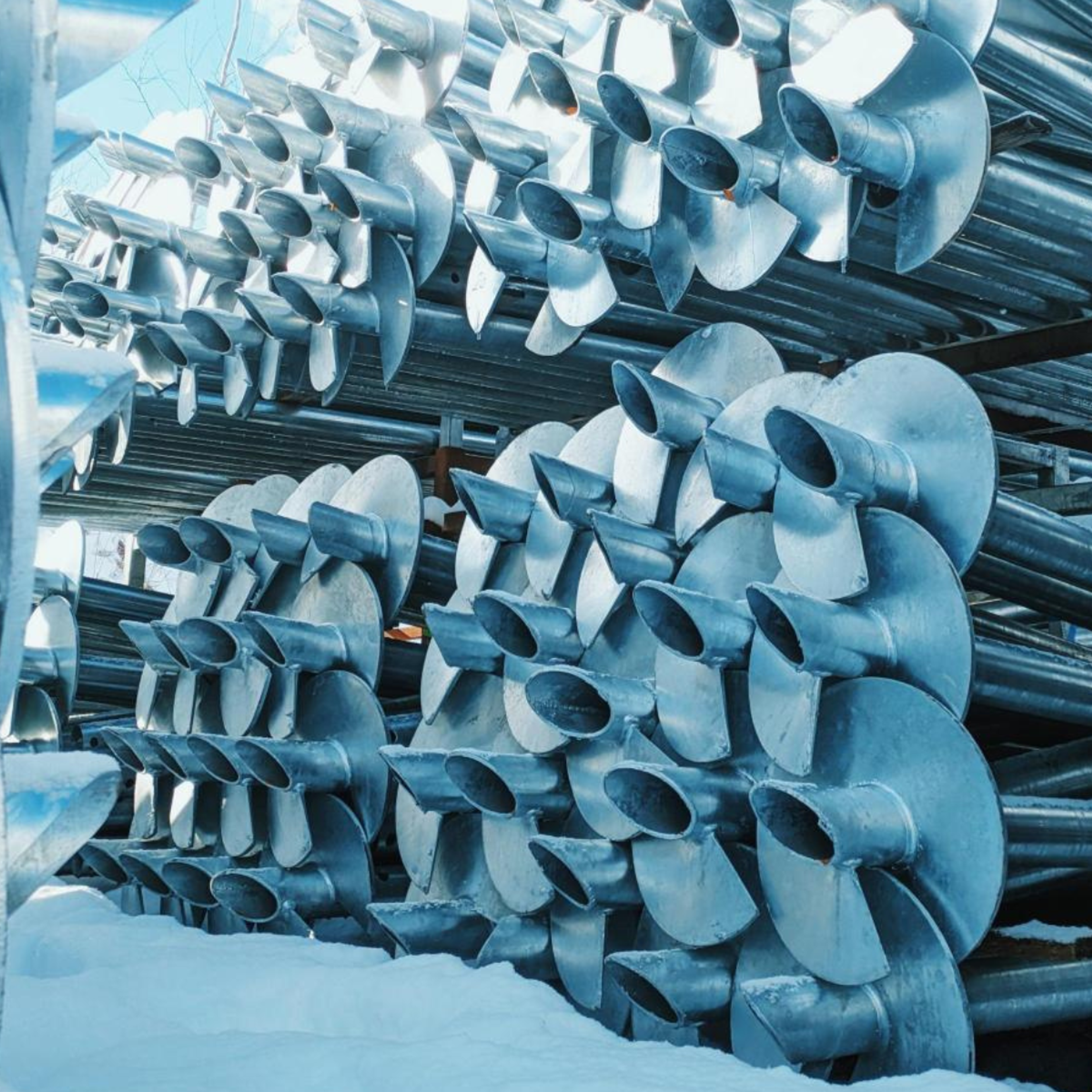
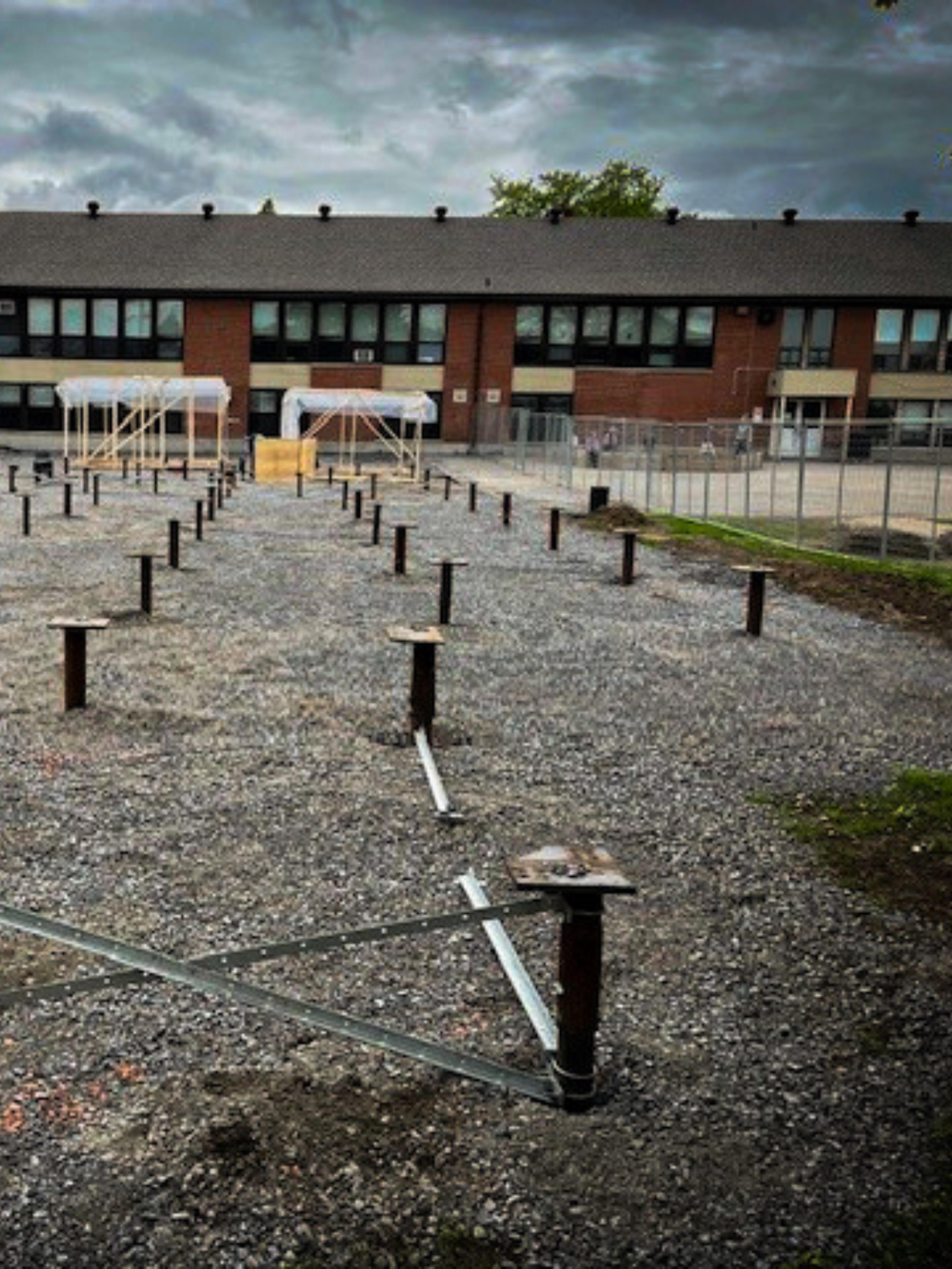
Are you thinking of building your dream patio? Remember to contact your Postech Screw Piles’ certified installer! When building a deck, it is important to ensure that the structure is built on a solid foundation. There are many ways to create a foundation, but screw piles will give your deck a solid and durable structure that will withstand freezing winters!
Looking for more information?
If you are looking for more tips to choose the right decking material for your deck, check out these videos: