
Helical Piles: Advantages, Disadvantages, and Comparisons
Your guide to choosing the best foundation for your project
What Are Helical Piles?
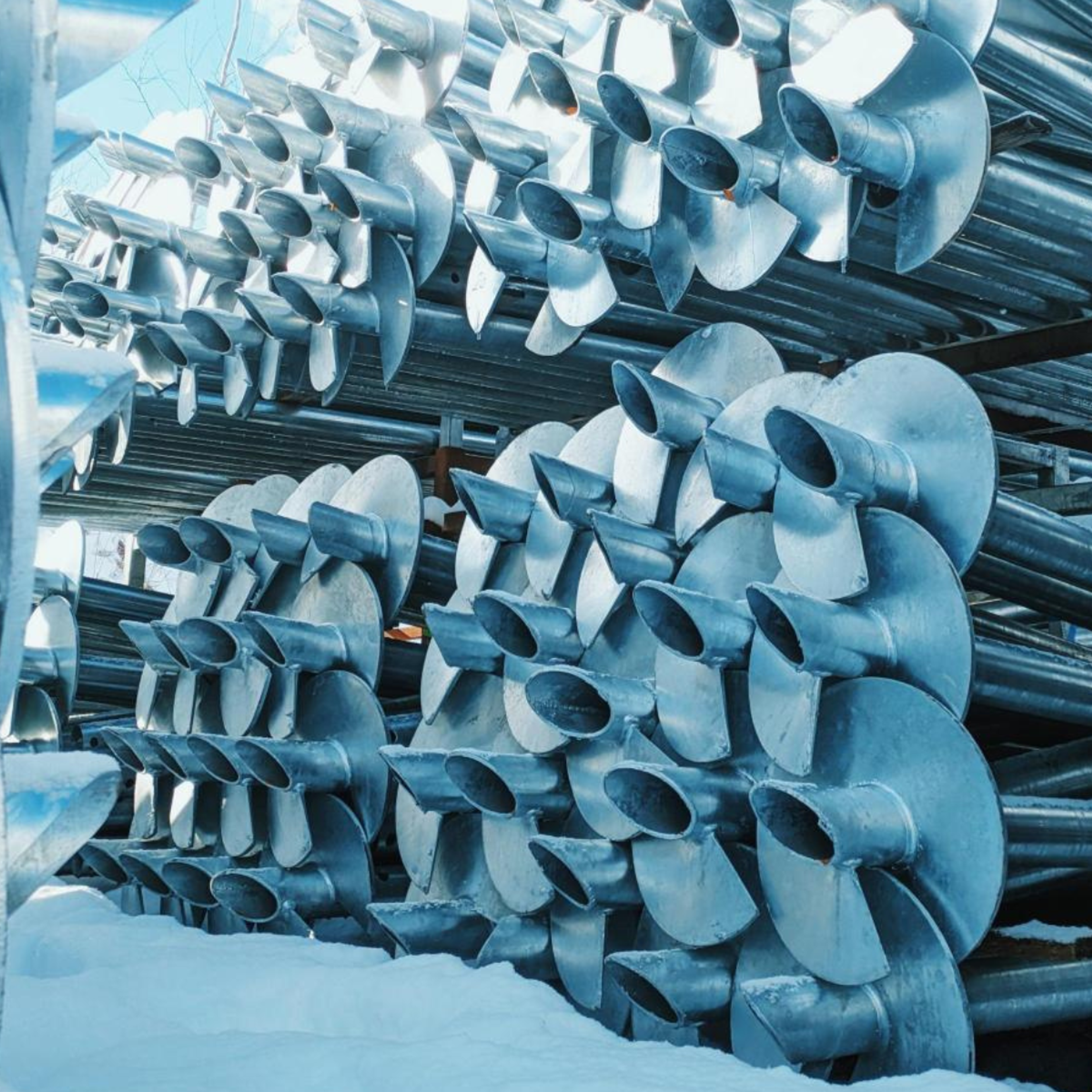
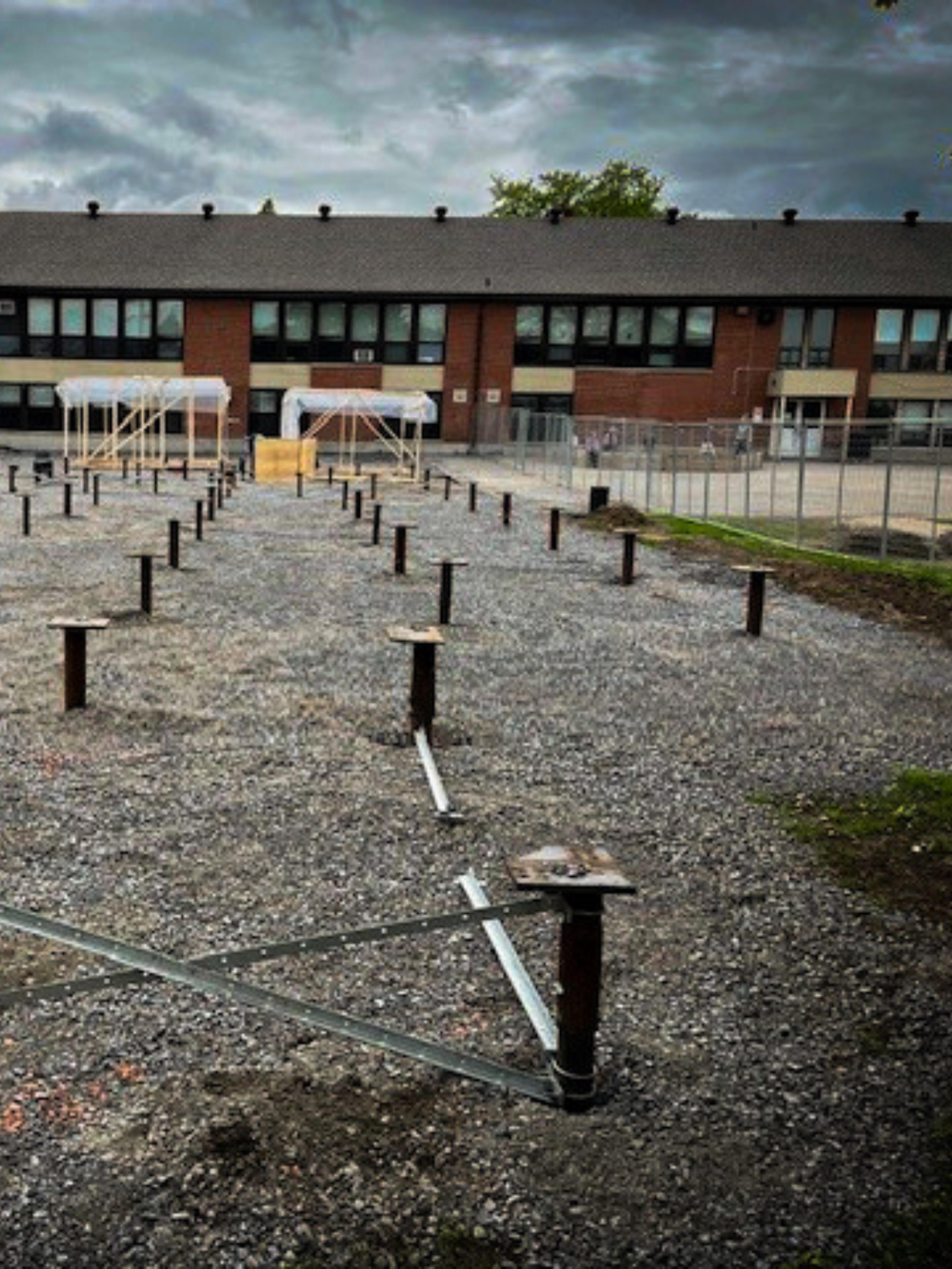
Helical piles, also known as helical piles, are steel shafts with helical blades that are mechanically driven into the ground. They are versatile, quick to install, and suitable for various soil conditions. Popular for residential, commercial, and industrial projects, they provide robust load-bearing support with minimal environmental disruption. Learn more about our helical piles
Advantages of Helical Piles
1. Quick Installation
Helical piles can be installed in minutes, whether using handheld tools or machinery like excavators. They eliminate the need for specialized drilling rigs, saving time and resources. Discover our installation process.
2. Minimal Labor
Typically, only two workers are required for installation—an operator and a spotter—making the process cost-effective.
3. All-Weather Installation
Unlike concrete foundations, helical piles can be installed in any weather condition, whether it's rain, snow, or extreme temperatures.
4. Minimal Site Disturbance
With little to no excavation required, helical piles reduce noise, vibration, and landscape disruption. This makes them ideal for environmentally sensitive areas.
5. Immediate Load Capacity
Once installed, helical piles are ready to support loads immediately, making them perfect for tight schedules.
6. Adaptability and Versatility
Helical piles can be adjusted or supplemented easily, accommodating changes in design or load requirements.
7. Soil Compatibility
They perform well in sandy, clayey, or waterlogged soils, avoiding the need for pumps and extra preparation.
Disadvantages of Helical Piles
1. Soil Limitations
Helical piles are less effective in gravelly or rocky soils with large obstructions, which can prevent proper installation.
2. Torque Sensitivity
Each helical pile has a torque limit, and exceeding it can compromise its structural integrity. Proper equipment and expertise are essential to avoid issues.
Helical Piles vs. Driven Piles
Installation Time and Cost
Helical piles are fast to install with minimal setup time, making them ideal for small to medium projects. Driven piles are cost-effective for large-scale installations but require heavy machinery and longer setup.
Soil Conditions
Helical piles are suitable for diverse soil types, including soft or waterlogged areas. Driven piles are better for compacted soils but may need pre-drilling for hard layers.
Environmental Impact
Helical piles have minimal noise, vibration, and site disruption. Driven piles can cause significant vibrations and noise during installation.
Load Capacity
Both methods provide strong load-bearing support, but driven piles may be preferred for exceptionally heavy loads in industrial projects.
Helical Piles vs. Concrete Piles
Ease of Installation
Helical piles are installed with portable equipment, requiring no curing time. Concrete piles are labor-intensive, needing excavation, formwork, and curing. Learn more about helical piles vs. concrete.
Cost
Helical piles are often more economical for lightly loaded structures like decks and sunrooms. Concrete piles may have lower material costs but higher labor and machinery expenses.
Environmental and Landscape Impact
Helical piles require minimal excavation, preserving landscaping. Concrete piles may damage yards and require costly restoration work.
Durability in Harsh Conditions
Helical piles resist frost heave in unheated structures, while concrete piles, being porous, are more susceptible to frost-related movement.
FAQs About Helical Piles
1. What types of structures are helical piles suitable for?
Helical piles are ideal for residential decks, sunrooms, solar panels, industrial buildings, and even sensitive environmental areas. Explore our project applications.
2. Can helical piles be reused?
Yes, helical piles can often be removed and reused, making them an eco-friendly choice.
3. How deep do helical piles need to go?
The depth depends on soil conditions and load requirements. In most cases, they are driven until the desired torque or resistance is achieved.