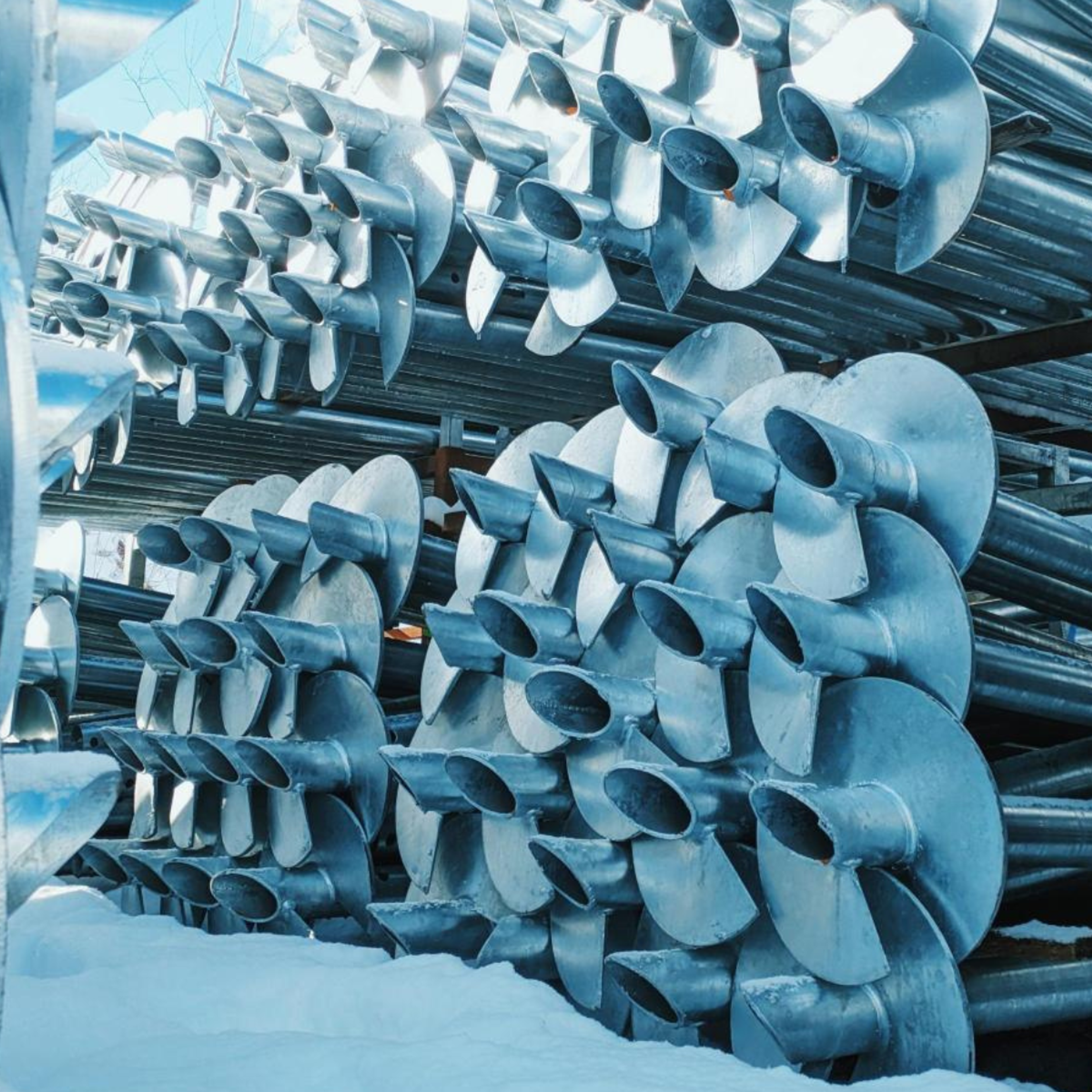

When building a deck, there are a lot of ways to create a foundation, such as concrete piers or wood posts. However, Postech Screw Piles are an excellent alternative that will ensure a solid and durable structure for your deck. Look out for the green outlines throughout this article to learn more about the advantages helical piles can bring to your outdoor space.
Choosing the Type of Stain
While there are many types of wood stains out there, most of the time you will find yourself picking between oil-based and water-based stains.
Oil-Based
Oil-based stains are the most commonly used. They will normally have a linseed oil base or a mixture of linseed and varnish which gives time to wipe off any excess product before it dries.
Pros:
- More even finish. It will require more time to dry which makes it easier to get a more even finish.
- Penetrates deeper. It will penetrate into the wood deeper than water-based stains and it will offer longer-lasting protection.
- Extremely durable. If you are looking for a wood stain that will last for a long time an oil-based one is the best option for you.
Cons:
- Slow drying. While it will give you a more even finish, they will take at least a day to dry out completely.
- More susceptible to mold and mildew. Unfortunately, the resins in oil-based stains make them more susceptible to mold and mildew.
Water-Based
Water-based might not be as popular as oil-based, but they can be useful in certain situations.
Pros:
- Quick drying. If you do not have the time to wait for the stain to dry, water-based stains are a great option.
- Mildew and mold resistant. Water-based stains are extremely resistant to mold and mildew, unlike oil-based stains.
- More environmentally friendly. Water-based stains will not emit Volatile Organic Compounds (VOCs) and they will not produce a lot of harmful fumes and odors.
Cons:
- More difficult to use. Water-based dry fast and also raise the grain of the wood which makes them more difficult to use than the oil-based.
- Not deeply-penetrating. These are not deeply-penetrating, and they will not offer a lot of protection for the wood.
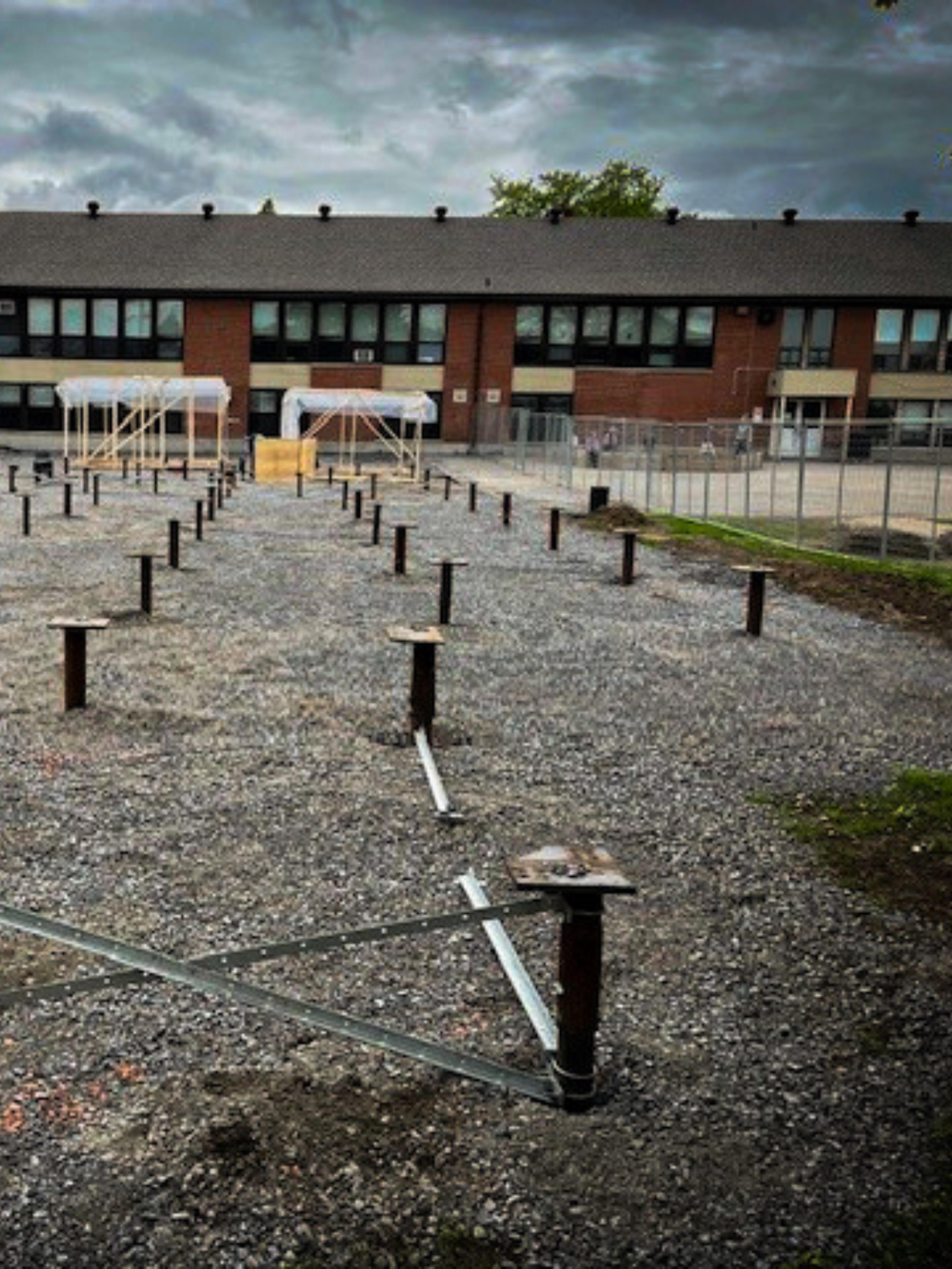
Did you know that Postech Screw Piles cause very little disruption to your backyard? Unlike other methods that can ruin your landscaping while excavating, helical piles only disrupt the diameter of the helical pile itself, and that area will resettle after the pile is installed.
Choosing the Level of Opacity of the Stain
Choosing the level of opacity not only means choosing the level of pigment, you want; it also means choosing the level of protection you want.
Clear Stains
A clear stain has no color added and shows the natural color and grain of the wood. Clear stains are typically used as a sealer as opposed to a stain.
Pros:
- Does not alter the appearance of the wood
- User-friendly and very easy to apply
Cons:
- Offers almost no UV protection
- Wears off quickly and needs to be recoated more frequently
Semi-Transparent Stains
A semi-transparent stain will allow most of the texture and grain of the wood to show through, with a slight pigment.
Pros:
- Easy application
- Natural appearance
- Available in different tones
Cons:
- Less UV protection than solid stains
- More frequent maintenance
- Typically, only available in oil-based formula
Semi-Solid Stains
A semi-solid stain covers most imperfections while allowing a small amount of wood grain to show through.
Pro:
- Good UV protection
Cons:
- Hard to strip off, if you ever need to
- Water-based versions do not penetrate as well as oil-based
Solid Stains
A solid stain completely hides the wood grain by creating a heavily pigmented film on the surface similar to paint.
Pros:
- Great UV protection due to so much pigment
- Available in any color imaginable
- Available in both water-based and oil-based formulas
Cons:
- Do not penetrate well and are prone to peeling
- Little chance of ever going back to a natural wood look
- Paint-like appearance
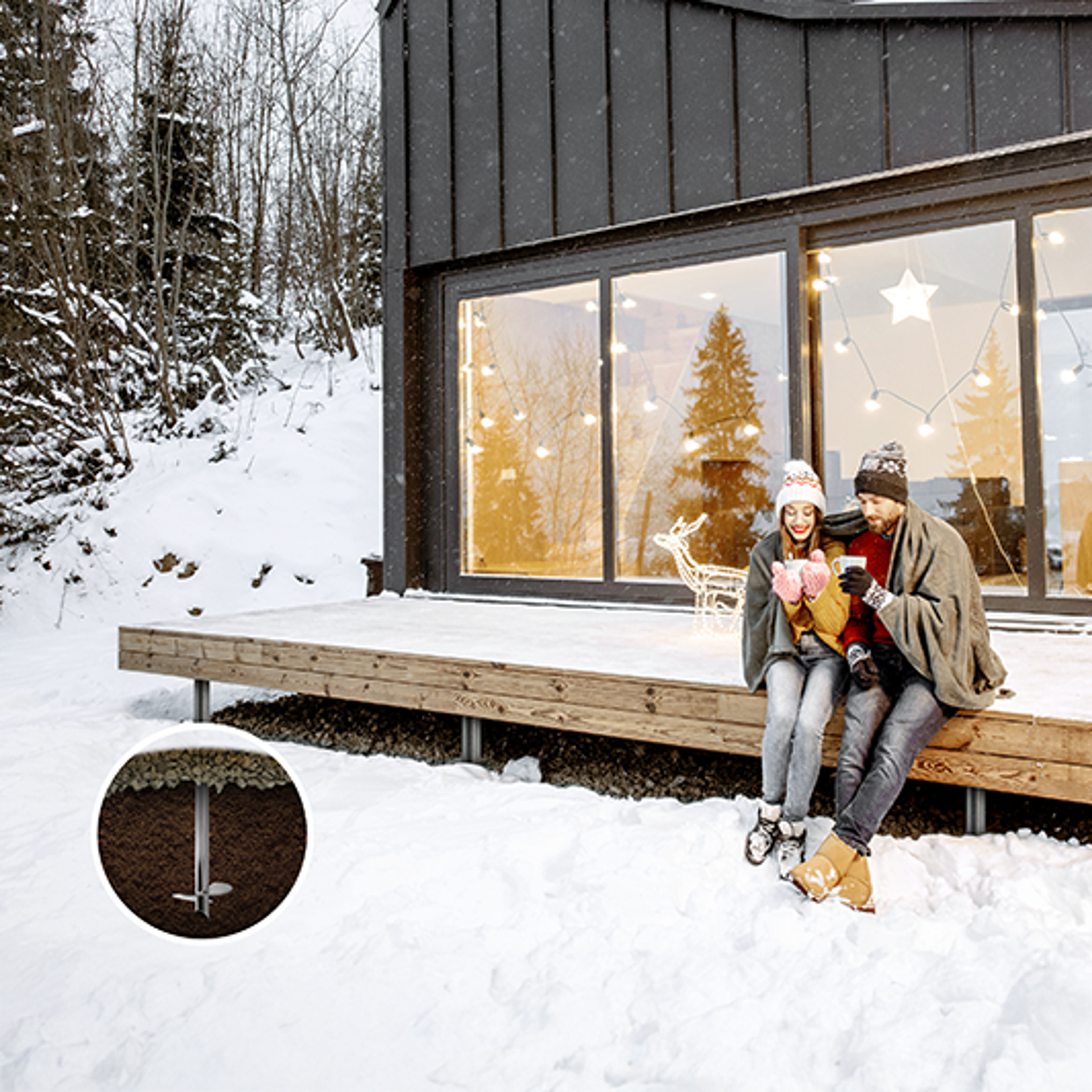
Did you know that helical piles aren’t affected by freezing? Helical piles provide a solid footing that won’t be affected by cold temperatures, this is a must if you live in a cold climate.